


APFC Panel Explained: Working Principle and Calculation Method
An APFC panel is an essential system used to improve power efficiency in electrical installations. If you want to understand what is APFC control panel, it helps to know that it automatically maintains a stable power factor by adjusting capacitor banks based on system demand.
The APFC panel full form is Automatic Power Factor Correction Panel, and it plays a critical role in reducing energy losses and avoiding penalties from electricity providers. These panels help industries improve energy performance, protect equipment, and reduce operational costs. Proper APFC panel working ensures stable electrical performance even during load fluctuations. By maintaining the correct power factor, APFC panels support efficient power usage, improve equipment life, and enhance overall system reliability in industrial electrical systems worldwide today.
What is APFC Control Panel?
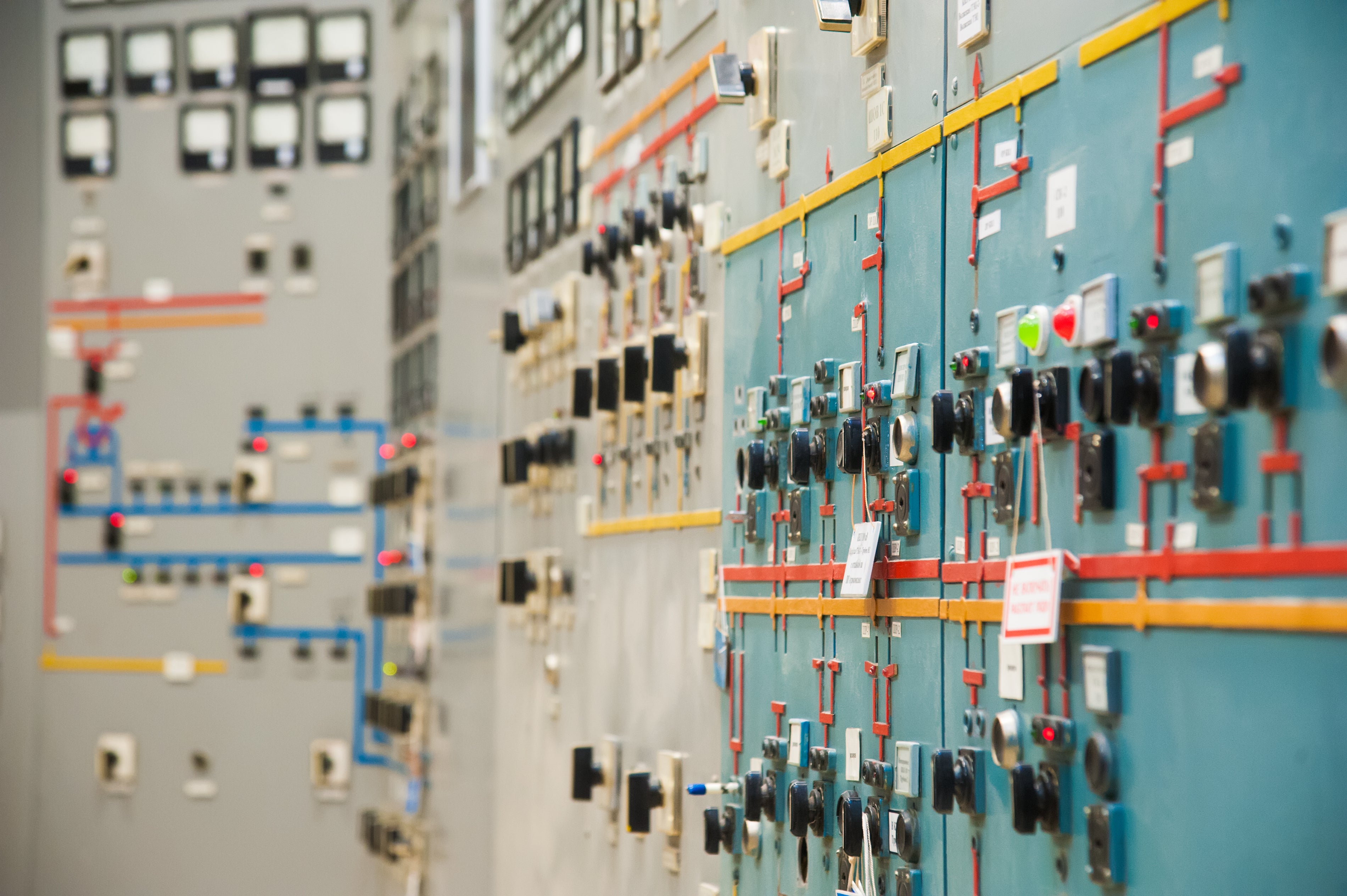
To explain what is APFC panel in electrical, it is a system designed to automatically correct the power factor of an electrical installation. The APFC panel full form is Automatic Power Factor Correction Panel, which clearly defines its function in improving energy efficiency.
An APFC system continuously monitors power factor and adjusts capacitor banks to correct imbalance. This process improves system performance and reduces losses. The system uses a PFC Controller to monitor and manage correction automatically. An APFC control panel ensures electrical systems operate efficiently. These panels reduce power wastage, improve system stability, and help industries maintain efficient and reliable electrical operations safely today.
APFC Panel Working Principle
The APFC panel working principle is based on automatic correction of power factor using capacitor switching. The system continuously monitors electrical load and adjusts capacitor banks accordingly. Proper monitoring and correction ensure stable performance. A clear APFC panel wiring diagram helps ensure correct installation and supports reliable and safe APFC panel working in electrical systems.
Power Factor Monitoring
The first step in APFC panel working is monitoring the power factor continuously. Sensors measure system voltage and current. These values help determine whether the power factor is low. The controller analyzes this information. Monitoring ensures correction happens only when needed. Continuous monitoring improves system performance. This process ensures stable operation. Accurate monitoring allows the system to respond quickly and maintain efficient power usage in electrical systems worldwide safely.
Controller Decision Process
The PFC Controller acts as the brain of the system. It receives signals from sensors and calculates correction requirements. Based on system conditions, it decides how many capacitors to activate. This ensures accurate correction. The PFC Controller helps maintain the desired power factor automatically. Proper decision-making improves efficiency. This automatic control ensures consistent performance and reliable operation in industrial electrical systems requiring stable and efficient energy management.
Capacitor Switching Operation
Capacitors provide reactive power to improve power factor. When the controller detects low power factor, it activates capacitors. This process improves efficiency. Switching occurs automatically. The APFC panel working principle ensures correction happens without manual effort. Proper switching ensures efficient system performance. Capacitor switching improves reliability and reduces energy losses. This process supports stable electrical performance and improves overall system efficiency safely worldwide today.
Continuous System Adjustment
Electrical loads change frequently. The APFC system adjusts automatically to these changes. It activates or deactivates capacitors as needed. A proper APFC panel wiring diagram ensures reliable installation. Continuous adjustment ensures stable performance. This automatic response improves efficiency. Proper adjustment supports reliable APFC panel working and ensures safe operation in modern industrial electrical systems requiring consistent and efficient energy management worldwide safely today.
Types of APFC Panel
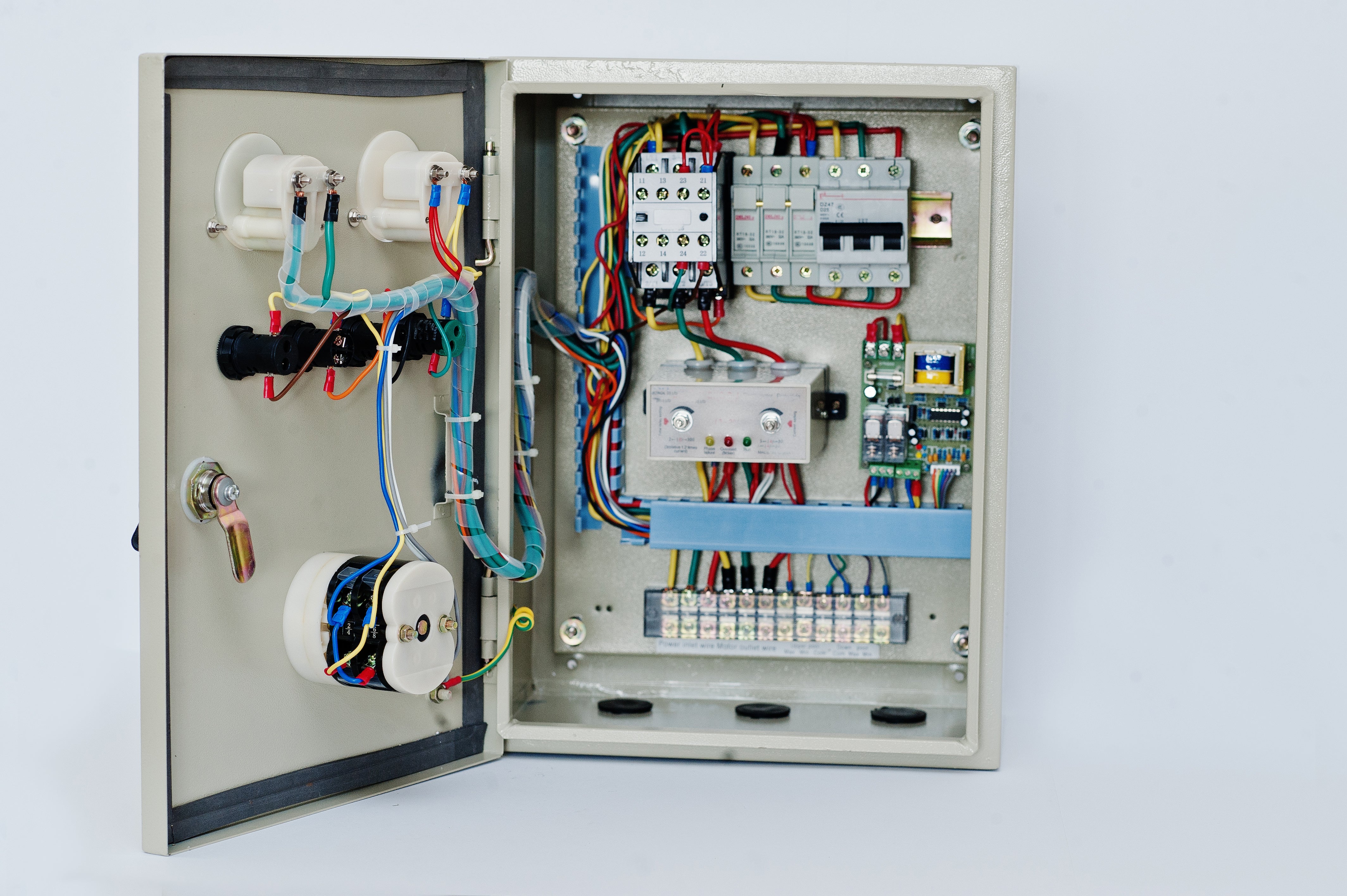
Different types of APFC systems are available based on application requirements. Understanding the correct APFC control panel type helps ensure efficient operation. These systems vary based on automation and correction methods. Selecting the correct APFC panel ensures proper performance, improves efficiency, and supports reliable energy management in industrial and commercial electrical systems worldwide today safely.
Relay Based APFC Panel
Relay-based systems use electromechanical relays for switching capacitors. These panels are simple and cost-effective. They are suitable for smaller installations. Relays activate capacitor banks automatically. These systems improve power factor correction. They support reliable operation. Relay systems are commonly used in basic electrical systems. These panels improve efficiency and support reliable power factor correction in industrial electrical installations safely worldwide today.
Read Also: APFC Relay: Working Principle, Function & Buying Guide
Contactor Based APFC Panel
Contactor-based systems use contactors for switching capacitors. These panels provide faster operation. They improve switching reliability. Contactors ensure accurate correction. These panels improve performance and reliability. They are widely used in industrial applications. These systems support efficient correction. Proper switching improves power factor correction and system reliability in modern industrial electrical installations safely worldwide today.
Thyristor Based APFC Panel
Thyristor-based systems provide fast and automatic correction. These panels use electronic switching devices. These systems improve response speed. They are ideal for fluctuating loads. These advanced systems improve efficiency. They reduce switching delays. These panels represent advanced correction technology. These systems support reliable and efficient power factor correction in modern industrial automation systems worldwide safely today.
Uses of APFC Panel
The APFC panel is widely used to improve electrical efficiency and reduce losses. These systems help industries maintain stable performance. Proper use improves efficiency. The APFC panel working ensures reliable performance. These panels improve power factor, protect equipment, and support efficient electrical operation in industrial, commercial, and infrastructure electrical systems worldwide safely today.
Industrial Manufacturing
Manufacturing industries use APFC panels to improve efficiency. These systems reduce power losses. They improve system reliability. Efficient power usage improves performance. Proper correction improves equipment life. These systems reduce energy waste. Efficient systems improve productivity. These panels ensure reliable operation in industrial manufacturing environments requiring efficient and stable electrical power management worldwide safely today.
Power Distribution Systems
Power distribution systems use APFC panels to maintain efficient power flow. These systems improve efficiency. Proper correction reduces losses. Stable power improves system reliability. Efficient power distribution improves performance. Proper correction improves energy efficiency. These systems support reliable power distribution. Efficient correction ensures stable electrical performance in power distribution systems worldwide safely today.
Commercial Buildings
Commercial buildings use APFC panels to reduce energy costs. These systems improve efficiency. Proper correction improves performance. Efficient systems reduce electricity bills. These systems improve equipment reliability. Efficient correction improves system performance. These panels support efficient power usage. Commercial buildings benefit from reliable and efficient electrical power management worldwide safely today.
Infrastructure Projects
Infrastructure systems use APFC panels to improve electrical efficiency. These systems improve reliability. Proper correction improves performance. Efficient systems reduce losses. Reliable systems improve operation. These panels support efficient power usage. Infrastructure systems depend on efficient power correction. These panels ensure reliable electrical performance in infrastructure electrical systems worldwide safely today.
APFC Panel Calculation Method
Proper APFC panel calculation ensures correct capacitor selection. Accurate calculation improves correction efficiency. The APFC panel calculation process determines capacitor size based on load and power factor. Correct calculation improves system reliability. Accurate sizing ensures efficient power correction and supports reliable operation in electrical systems worldwide safely today.
Step 1: Measure Load Power
The first step in APFC panel calculation is measuring load power. Accurate load measurement ensures proper correction. This step helps determine system requirements. Proper measurement improves correction accuracy. Accurate load values improve system performance. This step ensures reliable correction. Proper load measurement improves power factor correction in industrial electrical systems worldwide safely today.
Step 2: Determine Existing Power Factor
The next step involves measuring current power factor. This helps determine correction requirements. Accurate measurement improves correction accuracy. Proper measurement improves system efficiency. This step ensures correct correction. Accurate power factor measurement supports efficient operation. This step improves correction performance in industrial electrical systems worldwide safely today.
Step 3: Calculate Required Capacitor Size
Capacitor size depends on load and power factor difference. Proper sizing ensures effective correction. Accurate calculation improves system efficiency. Proper sizing improves performance. Correct capacitor size ensures reliable operation. This step improves correction accuracy. Proper sizing supports efficient power correction in industrial electrical systems worldwide safely today.
Step 4: Select Proper APFC Panel Rating
The final step involves selecting correct panel rating. Proper rating ensures reliable operation. Accurate selection improves performance. Correct rating ensures safe operation. Proper rating improves correction efficiency. Accurate selection supports reliable correction. Proper panel rating ensures efficient and safe electrical operation in industrial electrical systems worldwide safely today.
Conclusion
An APFC panel plays a critical role in improving electrical efficiency and reducing energy losses. Understanding what is APFC panel, its working principle, and proper calculation methods helps ensure efficient system performance. These panels improve power factor, reduce electricity costs, and protect electrical equipment.
The use of a reliable APFC control panel ensures automatic correction and improves system efficiency. Proper installation and calculation ensure reliable operation. APFC panels support efficient energy management and improve electrical performance. For reliable and efficient APFC solutions, professionals can explore suitable products available on the eShop of Schneider Electric to ensure efficient and safe electrical system operation worldwide today.
FAQs
Q1. Why is power factor important in electrical systems?
Ans. Power factor affects efficiency. Poor power factor increases energy losses. Correct power factor improves system performance. Efficient power factor reduces energy waste. Proper correction improves electrical system reliability. Maintaining proper power factor improves equipment performance and reduces electricity costs in industrial electrical systems worldwide safely today.
Q2. What happens if the power factor is not corrected?
Ans. Poor power factor causes higher energy consumption. Equipment may overheat. Efficiency reduces. Electricity costs increase. Poor correction affects performance. Proper correction improves system reliability. Power factor correction improves efficiency and ensures reliable operation in electrical systems worldwide safely today.
Q3. Can APFC panels work automatically?
Ans. Yes, APFC panels operate automatically. Controllers monitor system conditions continuously. Automatic switching ensures proper correction. Automation improves efficiency. Automatic correction improves system reliability. These systems ensure efficient electrical performance in industrial electrical systems worldwide safely today.
Q4. Do APFC panels reduce electricity bills?
Ans. Yes, APFC panels improve efficiency. Efficient power usage reduces energy consumption. Reduced losses improve efficiency. Improved efficiency reduces electricity costs. Proper correction improves system performance. These systems improve efficiency and reduce electricity costs worldwide safely today.
Q5. How often should APFC panels be maintained?
Ans. Regular maintenance improves reliability. Maintenance ensures proper operation. Regular inspection improves efficiency. Maintenance prevents failures. Proper maintenance improves system performance. Regular maintenance ensures reliable operation in industrial electrical systems worldwide safely today.
Comments